What changes in timing, coordination, and contact when pressure rises?
Many skilled people know exactly what to do—and still lose access to it when it matters most.
In demanding situations, hesitation, over-control, delayed responses, and strained interaction can appear. The issue is often not a lack of knowledge. Something shifts in the relationship to oneself, to other people, and to the situation.
We examine what changes in timing, coordination, and contact when demand increases. In short: how we orient, coordinate, and relate to others when circumstances become more difficult — under pressure, in contact, in real time.
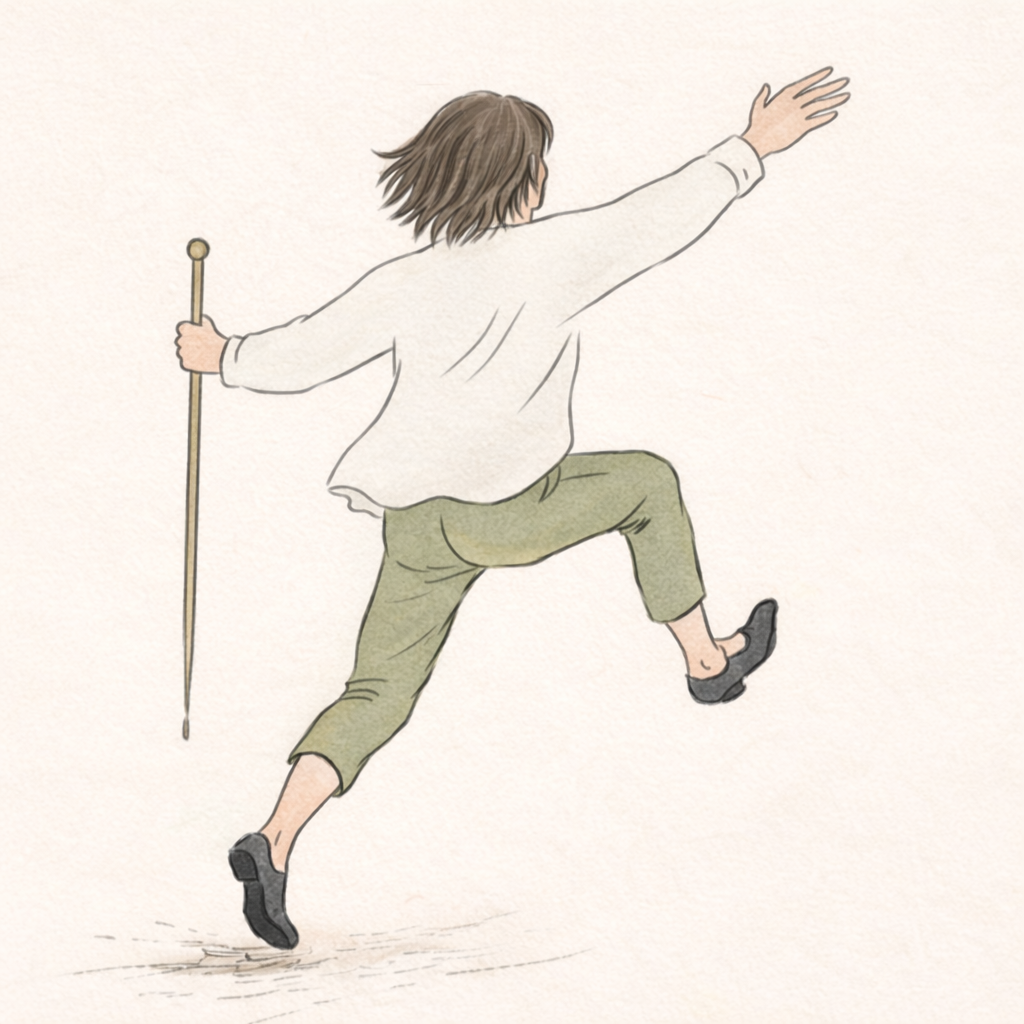
A three-day workshop in Zurich exploring how we orient and act with others when conditions shift.
16–18 October 2026 · Zurich · Limited to 13 participants
This is where the work happens in practice. Simple tasks, live feedback, small group. You work with what changes in timing, coordination, and contact when demand increases — in yourself and with others.
Leading & Following is the setting we use: a precise way to make these dynamics visible. The workshop does not invent them. You already meet them in meetings, performance, leadership moments, and team coordination. Here they become clear enough to work with. That is what the three days are for.
Direct, physical, feedback-rich practice. Not therapy. Not a motivational seminar. Not performance display or charisma training.
The dynamics are already in your work. The workshop makes them visible.
Most people come with years of training, experience, and professional judgment. Under pressure, what fails is often not judgment itself but access: to timing, to contact, to a clear next move while something is happening between you and others. The subject is how you navigate human situations in relationship when conditions change. Leading and following are the doorway into that — not the destination.
How the workshop works
You work through practical tasks with immediate feedback. Movement and partner work are used to see what is happening — hesitation, effort, timing, adaptation — not as an aesthetic performance. Two facilitators observe from complementary angles: what happens in you under pressure, and what happens in the interaction. Practice, observation, adjustment — repeated until shifts show in action.
Who it is for
- You work in situations where timing, interaction, and coordination matter under pressure.
- You are willing to observe automatic reactions in live practice and work with them.
- You accept direct feedback, repetition, and adjustment in real interaction.
- You are willing to work with partners in movement and direct contact — not only to observe or discuss.
Who it is not for
- You are looking for a passive seminar format with minimal practical participation.
- You expect relaxation, retreat atmosphere, or a wellness offering.
- You are not willing to receive feedback and adjust in real interaction.
- You are looking mainly for explanation, conversation, or theory — without repeated live practice in movement.
We use a short application and a conversation to confirm fit — for you and for the group.
Real-time Feedback,
kleine Gruppen.
Praktische Arbeit mit echter menschlicher Dynamik.
Direct Feedback
Immediate adjustment based on physical and interpersonal dynamics observed in the moment by experts.
Small Groups
A maximum of 15 participants ensures individual attention, high-density learning, and safety.
Live Dynamics
Working with real presence and physical contact, not simulated scenarios or abstract models.
What Happens in 3 Days
Three progressive working phases. The format stays constant while interaction demands increase.
Day 1 - Orientation in Practice
FOCUS
Arriving in the work format and noticing how regulation and interaction organize in real time.
WHAT PARTICIPANTS WORK ON
Attention in contact, interruption of automatic reactions, and clear sensing of effort, timing, and relational signals.
LEARNING CONDITION
Short practice rounds with immediate feedback, repeated until changes are observable in action.
Day 2 - Coordination in Live Complexity
FOCUS
Working in denser interaction settings where timing, adaptation, and precision matter continuously.
WHAT PARTICIPANTS WORK ON
Leading and following transitions, contact quality, pacing changes, and coordinated response under shifting demands.
LEARNING CONDITION
Partner and small-group tasks with live feedback loops, adjustment, and immediate re-application.
Day 3 - Quality Under Pressure and Transfer
FOCUS
Maintaining functional quality when cognitive, social, and performance load increase.
WHAT PARTICIPANTS WORK ON
Stability of coordination, decision timing, and reliable interaction quality in higher-demand working situations.
LEARNING CONDITION
Structured pressure conditions with focused feedback, then direct transfer into each participant's real professional context.
Integrated guidance from both facilitators runs through all three days. Participants receive integrated feedback across regulation, coordination, and interaction quality as interaction demands increase.
What to expect —
and what this workshop does not promise.
This workshop works through repeated observation, interaction, and adjustment in live conditions. The objective is not performance perfection, but more reliable coordination under changing demands.
What to expect
- You repeat practice with immediate feedback and renewed application, until changes in movement and interaction are observable.
- You perceive effort, timing, and contact quality more sharply.
- Under increasing pressure, coordination and automatic reactions become more readable for you.
- What counts for you is transfer into work and daily life — not the intensity of the in-room experience.
What this workshop does not promise
- This workshop is not a therapy offering.
- This workshop is not a motivation or inspiration seminar.
- This workshop is not charisma, presentation, or self-display training.
- This workshop cannot do the work for you. It promises no shortcut and does not replace your long-term professional practice.
Why We Work Together
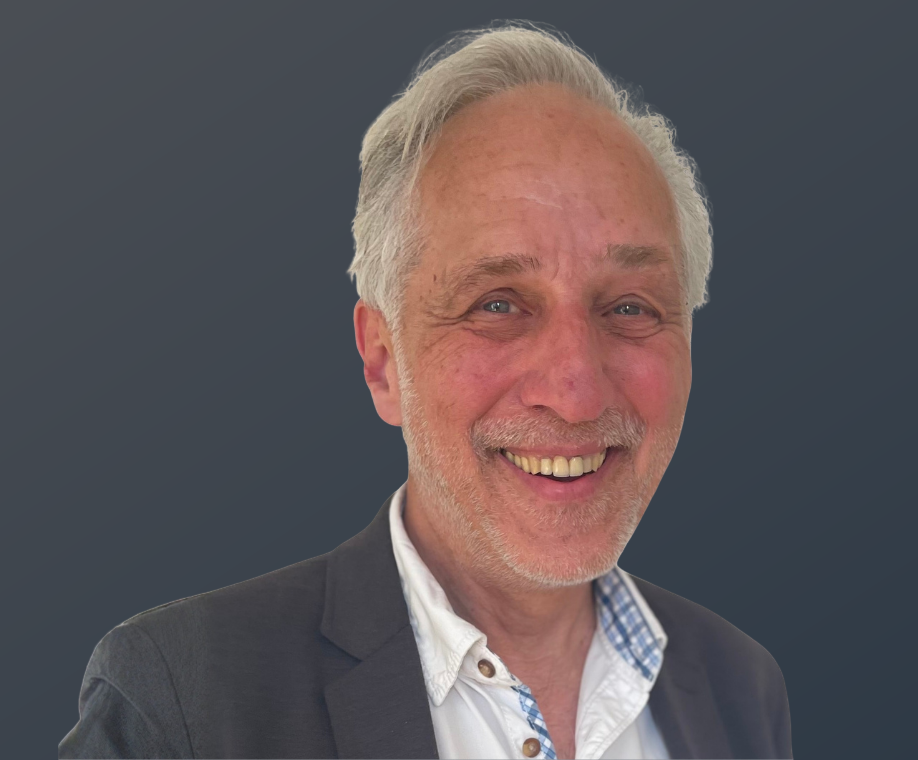
Vincent
TIMING, COORDINATION AND EXPRESSION IN INTERACTIONVincent directs his attention to the clarity of intention and movement and their significance in interpersonal contact.
OPERATIONAL FOCUS
- Develop a lived sense of leading and following in relationship with others.
- Respond spontaneously and appropriately to changing situations.
- Maintain inner organisation and outer interaction when circumstances change.
IN-SESSION RESPONSIBILITY
Vincent observes the quality of interaction as it unfolds and uses revealing partner-based exercises to refine awareness, coordination and choices in real time.
BACKGROUND & EMPHASIS
With more than 25 years of orchestral experience, more than 30 years as a Feldenkrais practitioner and 35 years teaching at the Hochschule für Musik Detmold, Vincent brings extensive expertise in performance practice and pedagogy. He has long-standing experience with a wide range of groups — from orchestras and choirs to leadership executives in administration and organisations.
Ulf
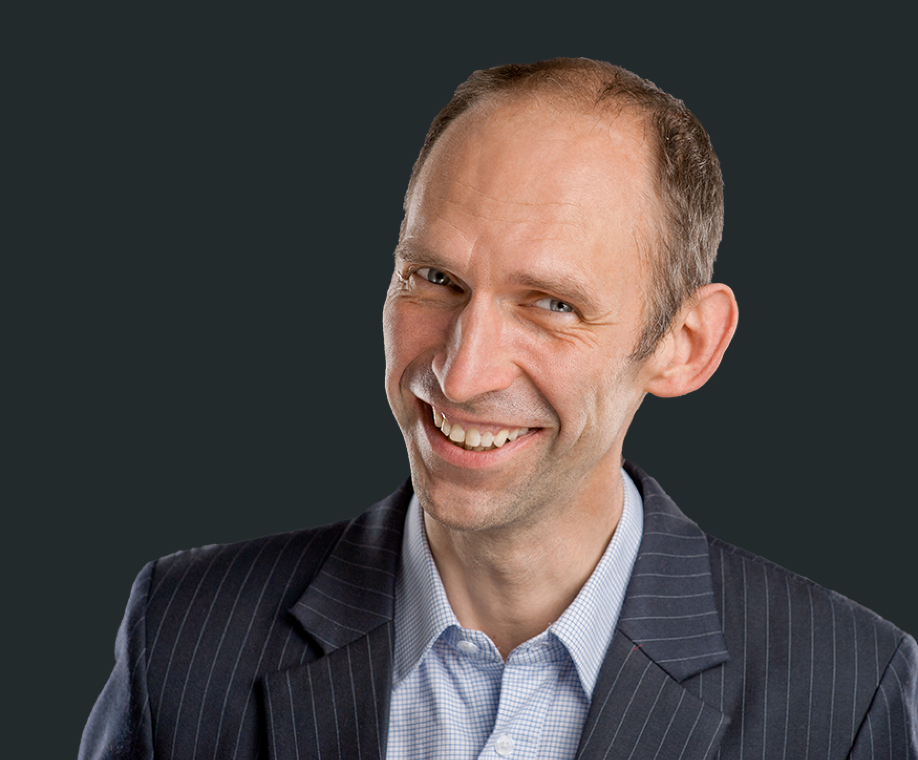
SELF-REGULATION & ACCESS UNDER PRESSUREUlf pays attention to what happens inside someone when the demand rises – not whether they know what to do, but whether they still have access to it.
OPERATIONAL FOCUS
- Regulation load in breathing, tone, and muscular organisation.
- Economy of effort during contact, movement, and decision moments.
- Transfer from workshop drills to professional performance situations.
IN-SESSION RESPONSIBILITY
Ulf observes where access drops under stress, gives immediate feedback, and guides precise adjustments for the next interaction cycle.
BACKGROUND & PRIMARY EMPHASIS
Ulf was an orchestral musician for ten years. As an Alexander Technique teacher and personal health coach, he worked with orchestras including NDR Hamburg, RSO Wien, and the Orquestra Sinfônica de Porto Alegre (Brazil). He taught for ten years at the Musikhochschule Stuttgart; for twenty years he worked in the Zurich spine and trauma practice of Dr. Holdener. He holds a Master of Public Health (MPH).
CO-FACILITATION LOGIC
This workshop runs as a dual observation system: internal regulation and external interaction are monitored together in the same live process.
When Vincent leads an interaction task, Ulf tracks regulation load and access stability.
When Ulf leads regulation work, Vincent tracks timing, coordination, and communicative precision.
Participants receive integrated feedback across regulation, coordination, and interaction quality.
Practical Details
Common Questions
Is this a movement workshop?
Yes. Movement is one of the ways we explore what happens in ourselves and between people. The focus is not movement as an aesthetic end in itself, but on what becomes visible through movement, interaction, and feedback.
Do I need a specific background?
The workshop is open to anyone in a leading or performing role who needs to maintain precision under pressure. Specific athletic or artistic training is not required.
Apply for the Workshop
Participation is intentional. This workshop works best for people who are willing to observe carefully, work precisely, and stay engaged in live interaction. The application process is used for alignment, not exclusivity theater.
STEP 1
Application
Short written application or expression of interest.
STEP 2
Conversation / Confirmation
Clarification of fit, expectations, logistics, and remaining questions.
STEP 3
Preparation
Participants receive practical preparation details before the workshop.
The workshop is intentionally small enough to allow precise observation and direct feedback.